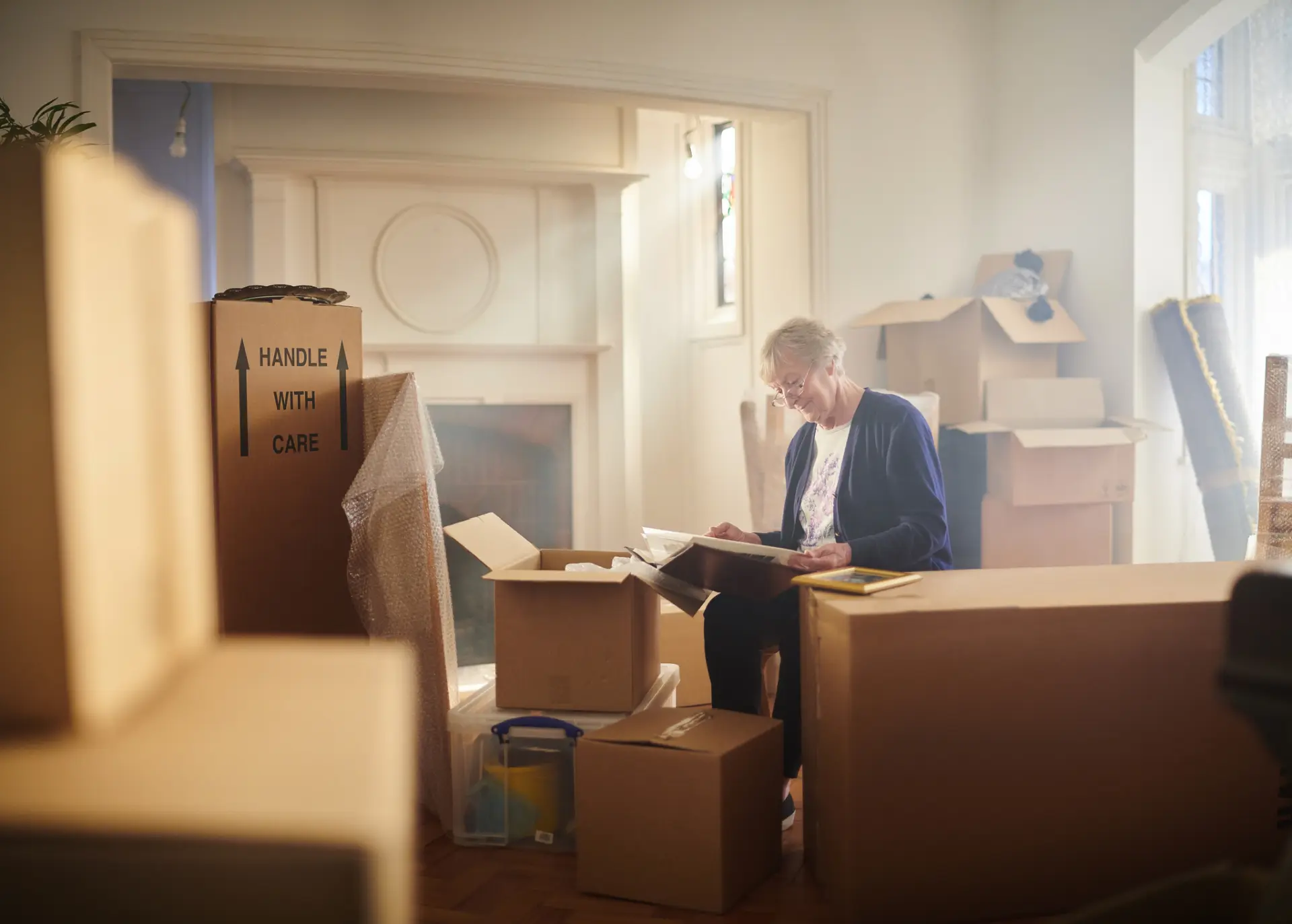
I walked into a home for a consultation. The client’s husband had recently passed away, and selling was the only way to ensure she had enough to live on. It was clear to me the home wasn’t a good fit anymore. Her bedroom and all the living space were upstairs, and she was managing Parkinson’s and CHF. To me, it seemed like a straightforward decision. But while she seemed supportive of selling at first, I quickly realized that she hadn’t made that decision with confidence. That home held so many cherished memories.
Every time I called to schedule an appointment to sign paperwork or talk about selling, something would come up. She was tired, she wasn’t feeling well, she needed to clean the house. It was always something. It became clear to me that something deeper was going on. So I asked her, “Tell me about your home. What’s your favorite memory here? Are you afraid of moving? What scares you about it?” That opened the door. I watched her face light up as she told me about the first time her daughter went off to kindergarten. I watched her heart break as she told me about losing two of her children while living in that home. And I felt her real fear, that if she left the house, she’d lose those memories too.
A house is more than four walls for so many seniors. It’s a time capsule of their life. As a Certified Senior Housing Professional, I’ve been trained to recognize when there’s a deeper problem going on beneath the surface, and to understand what matters most to seniors, things like legacy and control. I’ve learned the communication techniques that open the door to real conversation. The baby boomer generation values tradition, honest conversations, and transparency, and my CSHP training has taught me how to respect that and adjust my process to meet them where they are. That means asking the right questions, creating a binder to organize their documents, and walking them through a clear, step-by-step process for selling the home. Most of all, I’ve learned to slow down. Move at their pace, not mine.
Along with my trusted team of move managers, senior placement advisors, and estate sale experts, just to name a few, we’re able to create a plan from the very start all the way through to the end. Senior downsizing and transitioning is overwhelming. There are so many moving parts, and the number one concern I hear from seniors and their adult children is that they simply don’t know where to start. Whether I’m working directly with a senior or coordinating with adult children out of state, we build a clear plan that allows them to make decisions with confidence.
As a resident of the Northwest Houston area, including Cypress, Tomball, Spring, The Woodlands, and Conroe, for the last 35 years, helping my senior community is more than a job. It’s my ministry.
Advocating for seniors isn’t just about working with the senior. It’s about being the bridge across what’s often a big communication gap with their adult children and family members. My message to adult children who feel frustrated because mom or dad “won’t listen” is this. While that frustration often comes from a place of care and compassion, seniors are still adults. They still have the right to make their own decisions. They still deserve the same respect you had for them when they were in their 40s. Communication should be about helping them make good decisions that protect their safety, while ultimately allowing them to make their own choices.
This one’s important. Before hiring someone to help with a senior transition, families should ask:
- What is your experience working with seniors?
- Do you have any certifications or designations related to senior transitions?
- Do you work with other senior-focused professionals, and can you recommend additional services if we need them?
- How long does it usually take from our first conversation to the closing table? (This is a bit of a trick question, since every situation is different depending on where the senior is emotionally and mentally in the process.)
- Do you have connections that could help us move first and sell the house after? This should always be the goal when possible. Some lenders specialize in helping seniors use their home equity to move first, rather than waiting on the sale.
Working with seniors is my passion. After having a front-row seat to the complications and challenges that come with late-in-life moves, I recognized that many of these challenges could have been avoided with proper guidance and communication. I’ve seen adult children walk away from a parent over conflict, missing out on their parent’s final days. I’ve seen seniors cry because they felt they had no voice in their own lives. And often, I’ve seen nothing happen until a crisis forced it, and that’s the part that hurts the most. Tragedy doesn’t make an appointment. It shows up unexpectedly and causes panic and turmoil. Sometimes a home can be modified so a senior can age in place. Sometimes a parent just needs time and encouragement. But it is never too soon to make a plan. A plan eliminates bad decisions. It ensures the senior’s voice is heard. It removes confusion and stress. A plan doesn’t mean we have to execute it today. It simply means we’re prepared.
Christi Finnell, Senior-focused Real Estate Advisor, CSHP, SRES
Helping overwhelmed seniors and their families make difficult moves with clarity and confidence.